
Ask anyone who actually lives here when they take their own holiday, and September comes up more than any other month. The kids are back in school, the car parks have space in them again, and the sea — having spent all summer warming up — is at its best all year. Prices drop, the queues shrink, and the light turns that soft gold everyone chases with a camera in August and rarely gets. Nobody puts it on the front of the brochure because, frankly, we’d rather keep it for ourselves. Here’s the honest version of what Cornwall in September actually looks like.
The weather, honestly
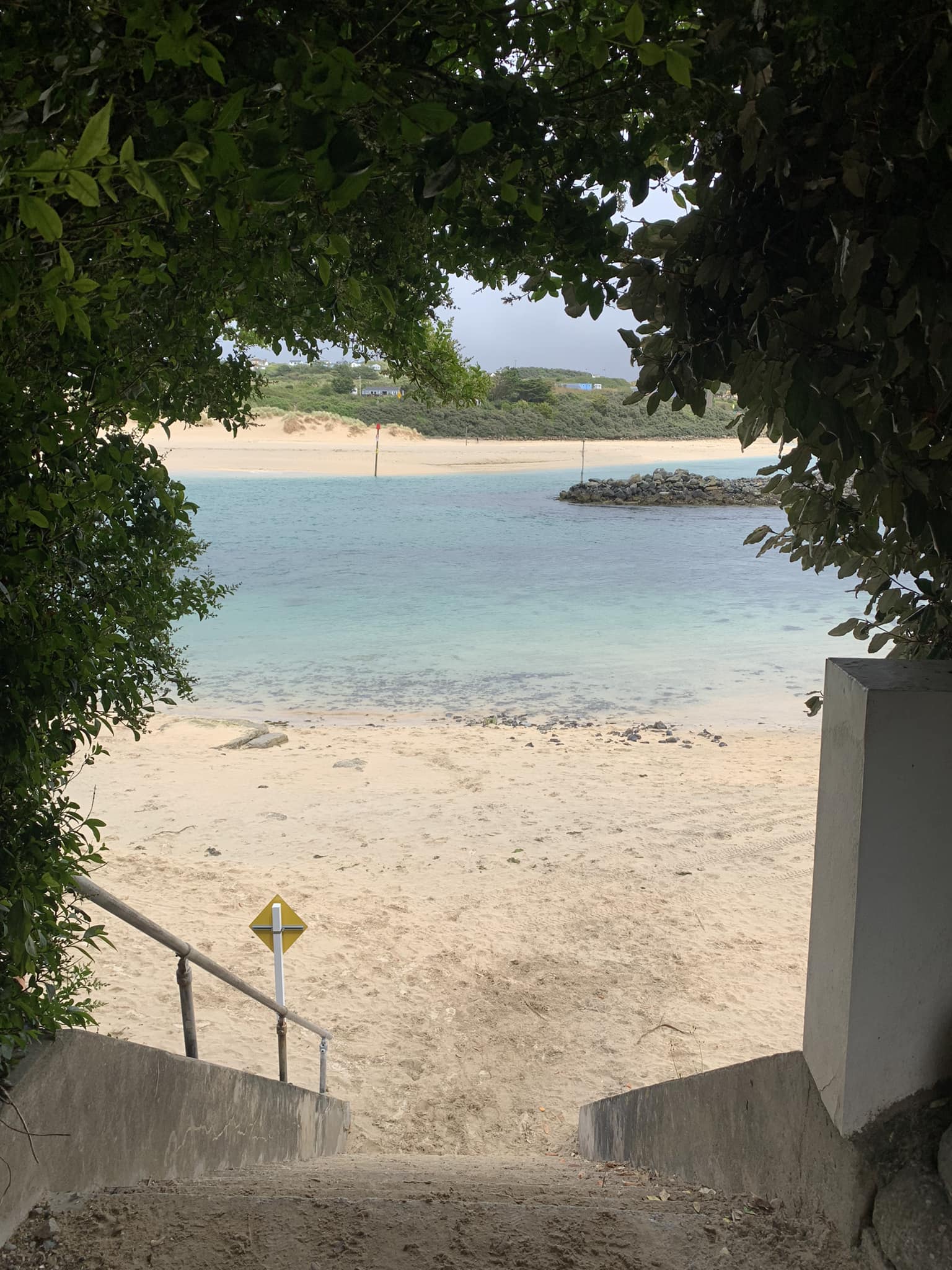
September sits right on the edge of summer and autumn, and the weather reflects that: expect daytime highs of around 18-19°C, dropping to a cooler 12-13°C once the sun’s down — pack a jumper for the evenings, you’ll want it. It’s not a dry month either. Cornwall typically gets around 15 days with some rain in September and roughly 70-80mm of it in total, not far off what you’d get in August. The real story is the sea. September ties with August as the warmest month to swim in Cornwall, with average sea temperatures sitting around 16-17°C — sheltered spots like Bude’s beaches nudge close to 17°C. Water takes six to eight weeks to catch up with the air, so the sea is still holding onto summer’s warmth long after the days start drawing in.
Why September beats August
Most Cornish schools go back on Thursday 3 September 2026, and the effect on the county is almost immediate. The A30 stops crawling, the car parks that were full by 9am in August suddenly have space in them, and you can get a table without a two-hour wait. Cottage prices follow the same pattern — shoulder-season stays like September typically run 30-40% cheaper than the same week in peak August, for what’s often the better beach day of the two. Everything that was open in August is still open too, with a few small exceptions (see the honest catch below) — you’re just sharing it with a few thousand fewer people.
What’s on in September 2026
September isn’t a quiet month event-wise — if anything, it’s when Cornwall’s festival calendar picks back up after the summer lull. Here’s what’s confirmed for 2026:
- Penzance Food Festival — 3 to 6 September, Penlee Park. Four days of street food, live-fire cooking and Cornish producers, free to attend.
- St Ives September Festival — 12 to 26 September. Two weeks of music, art and literature across the town, much of it free, with names like Pam Ayres on this year’s bill.
- Newquay Beer Festival — 18 to 20 September, Hendra Holiday Park. More than 40 ales and ciders and a weekend of live music, run in aid of local charities.
- Truro Food Festival — 23 to 27 September, Lemon Quay. Five days of chef demos, street food and producer stalls in the heart of the city, with an after-party at Skinners Brewery each evening.
Between those four, there’s a proper event most weekends of the month — worth building a trip around rather than treating as an afterthought.
Best things to do
Swim. This is the single best reason to visit in September — the sea is as warm as it gets all year, and with the crowds gone you’ll often get a whole cove to yourself. Our wild swimming in Cornwall guide has the pick of spots, and September is when most of them are at their best.
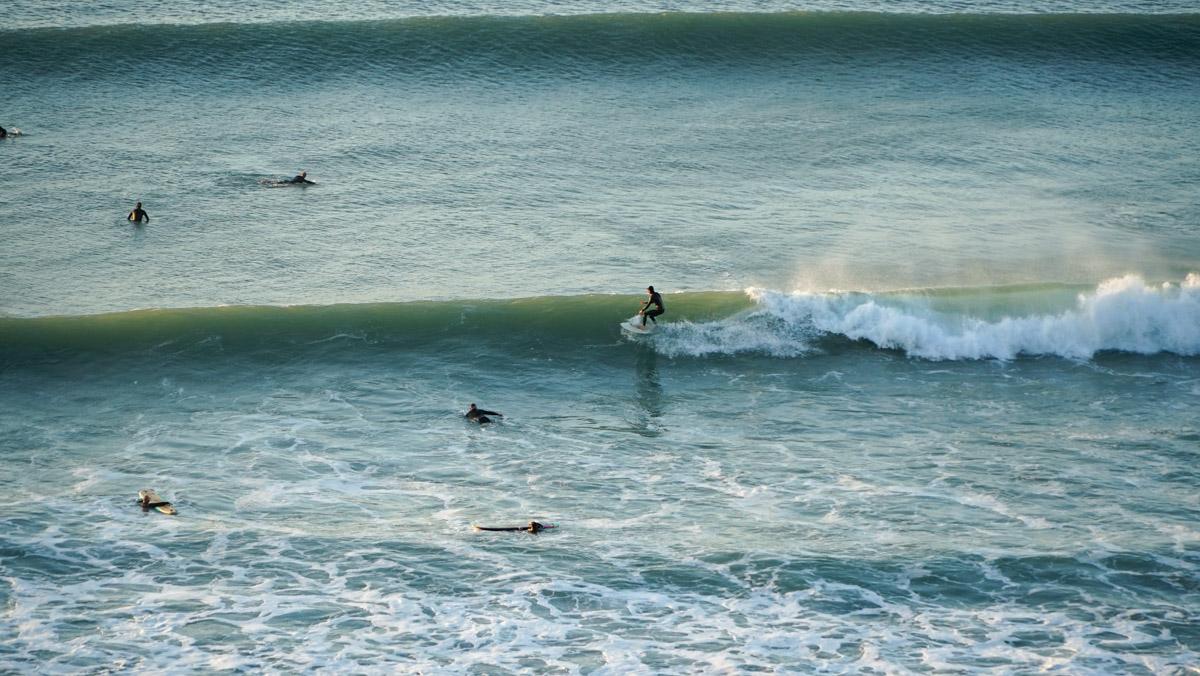
Surf. September and October are genuinely the best months for surfing in Cornwall — the Atlantic starts sending in proper autumn swell while the water’s still warm from summer, and the lineups empty out the moment school goes back. Our surf beaches in Cornwall guide covers where to paddle out.
Paddleboard. Calmer mornings, warm water and fewer boats on the water make September one of the best paddleboarding windows of the year. Our paddleboarding in Cornwall guide has the best launch spots.
Walk. The coast path is at its best once the summer heat’s gone — cooler air for the climbs, and the gorse and heather still holding their colour along the clifftops.
Eat. A Cornish cream tea tastes better outdoors when you’re not queuing for the table. See our cream tea in Cornwall guide for the best stops.
And if you’re still deciding where to base yourself for any of the above, our where to stay in Cornwall guide matches area to trip type.
What’s the catch?
Honestly, not much — but a few things worth knowing before you book. Some of the smaller seasonal operators — ice cream vans, beach kiosks, the odd café that runs on student summer staff — start trimming their hours toward the back end of the month, once university terms pull their workers away. The big attractions (Eden Project, Heligan, Tate St Ives) stay open as normal, but if you’ve got your heart set on a specific beach café, it’s worth a quick check before you drive out. Evenings draw in fast too — you’ll lose a real chunk of daylight between the start and end of the month, so plan any sunset walk earlier than you would in August. And while jellyfish are genuinely rare on Cornish beaches, autumn is when they’re most likely to show up, usually washed in after a south-westerly Atlantic blow — nothing to worry about, just glance before you jump in during a stormy week.
FAQ
Is Cornwall still warm in September?
Yes. Daytime temperatures average 18-19°C, and the sea is at its warmest of the year — around 16-17°C. Evenings cool down more noticeably than in August, so pack a layer.
Is Cornwall busy in September?
Much less than August. Most Cornish schools return on 3 September 2026, and the crowds thin out almost overnight — car parks, restaurants and the coast path all get noticeably easier from the first week of the month.
Is the sea warm enough to swim in Cornwall in September?
Yes — September ties with August as the warmest sea-swimming month in Cornwall, with average temperatures around 16-17°C. The water lags the air by six to eight weeks, so it holds onto summer’s warmth well into the month.

Meet Ben, a wanderlust-stricken wordsmith hailing from the surf paradise of Newquay. With a pen and a passion for storytelling in hand, from rugged coastal hikes to secret spots off the beaten tourist path, join Ben as he guides you through the very best of what Cornwall has to offer.